Why Alphabet Still Sits at the Center of Search, Ads, and the AI Shift [eng]
A company-analysis guide to Search, Ads, YouTube, Cloud, and Alphabet’s AI strategy.
- Alphabet is not just a search company. It is a platform built on search, advertising, YouTube, cloud, and AI.
- The core engine is still search advertising cash flow, which helps fund cloud expansion and AI investment.
- Readers should follow search dominance, ad cyclicality, cloud growth, and AI competitiveness together.
One-line summary and overview
Alphabet is best known through Google Search, but the company is much broader than a single product. It monetizes traffic through ads, extends user engagement through YouTube and Android, and is trying to turn that ecosystem into long-term cloud and AI growth.
A useful one-line summary would be: Alphabet turns search demand into advertising cash flow, then reinvests that cash flow into cloud and AI.
Business structure
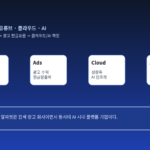
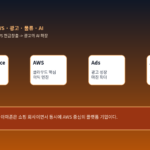
The company’s structure starts with Google Search ads. Around that, YouTube ads, network ads, Google Cloud, Android, Chrome, and AI services create a wider platform story. Search provides stability, YouTube expands media reach, cloud adds long-term enterprise growth, and AI shapes the next competitive cycle.
Core services and why they matter
- Google Search — the traffic and monetization core
- YouTube — media, ads, and subscription leverage
- Google Cloud — long-term growth arm
- Android / Chrome — ecosystem durability
- Gemini / AI — future strategic upside
The key is that these are not isolated products. They reinforce one another through traffic, user behavior, ad demand, and ecosystem control.
Competitor comparison
In advertising, Alphabet competes with Meta, Amazon, and video-driven platforms. In AI and cloud, Microsoft and Amazon matter most. In mobile ecosystem terms, Apple is also highly relevant because of distribution and search access.
- Meta — digital ad competition
- Microsoft — AI and cloud competition
- Amazon — cloud and ad competition
- Apple — mobile ecosystem and search-access variable
Strengths
- Search dominance — still one of the strongest entry points on the internet
- Powerful ad cash flow — funds large-scale reinvestment
- YouTube and Android ecosystem — broad user reach
- AI investment capacity — scale, cash, and talent matter
Weaknesses and risks
- Ad cyclicality — ad budgets can weaken in slower economies
- Regulation — antitrust and privacy pressure remain major issues
- AI competition — Microsoft/OpenAI and others raise execution pressure
- Apple-related distribution risk — search-default agreements matter
Financial and valuation checkpoints
For Alphabet, revenue alone is not enough. Readers should focus on search ad growth, YouTube ad trends, cloud profitability, and operating margins. Valuation should also reflect the quality of search cash flow and whether AI investment is strengthening or diluting returns.
- Search ad growth
- YouTube ads and subscriptions
- Google Cloud revenue and margin improvement
- AI investment versus monetization
Current trends and Alphabet’s position
The biggest market question around Alphabet today is AI. Alphabet is not an AI infrastructure hardware company like Nvidia. Instead, it is a platform company trying to integrate AI into search, ads, productivity, and cloud.
That makes Alphabet one of the most interesting companies in the AI shift: it is a major beneficiary if AI improves its platform, but it also faces a real threat if AI changes how users search and discover information.
Conclusion
Alphabet is still powerful because of Google Search, but it should no longer be viewed only as a search company. Ads, YouTube, cloud, and AI now shape the full investment story.
The key frame is search dominance, advertising cash flow, cloud growth, and AI execution.
FAQ
What is Alphabet’s most important business?
Search advertising is still the most important business.
Is Alphabet well-positioned for the AI era?
Yes, but it also faces one of the biggest structural challenges because AI can reshape search itself.
What numbers should readers watch first?
Search ad growth, Google Cloud revenue, operating margins, and AI investment trends are strong starting points.
For another platform and ecosystem comparison, read Why Apple Remains One of the Strongest Brands in the World [eng].
For the AI infrastructure angle, see Why Nvidia Sits at the Center of the AI Era [eng].
Additional questions for investors
- Separate one-time product revenue from recurring or platform-style revenue.
- Ask what needs to happen before the current news can become visible earnings.
- Compare pricing power, customer base, technology position, and margin profile with competitors.
- Watch operating margin and free cash flow, not only headline revenue growth.
- Consider whether the stock price already reflects an optimistic scenario.
Public sources and editorial basis
This article is an explanatory guide based on publicly available materials such as company investor-relations pages, annual reports, quarterly earnings releases, official product or service announcements, and industry context. It is rewritten in plain language with emphasis on business model, revenue drivers, risks, and practical signals to watch. It is for education and information only, not a buy or sell recommendation.
How to read Alphabet earnings step by step
Start with Google Search advertising. It remains Alphabet’s core cash engine. If search ads remain stable, Alphabet has more room to invest in AI, cloud infrastructure, YouTube, and long-term projects. If search weakens, the entire investment case becomes more complicated.
Second, watch YouTube. YouTube is not just a video website; it is an advertising, subscription, creator, and entertainment platform. The key question is whether Shorts and connected-TV viewing can turn user time into profitable revenue.
Third, look at Google Cloud. Cloud revenue and operating margin show whether Alphabet can compete with Amazon AWS and Microsoft Azure in enterprise infrastructure. AI may help, but investors still need evidence that cloud growth is converting into durable profit.
Editorial basis and how to read this article
This article is based on publicly available company materials, filings, earnings releases, official announcements, market data, and news context. It is written as a plain-language explainer, not as a short-term price prediction. It is for education and information only and is not a buy or sell recommendation.
Reader checklist
- Check the date and source of key numbers.
- Compare headlines with actual earnings, filings, and market data.
- Look for both growth drivers and risks.
- Separate the business model from the stock narrative.
- Review the next earnings release or official update before making your own decision.